What is inside, and why.
Every ingredient in the Lamsa Dead Sea Mud Mask earns its place. We list full INCI names, sourcing, and what each ingredient is actually there to do, including what a rinse-off mask can and cannot promise. No proprietary blends. No hidden actives.
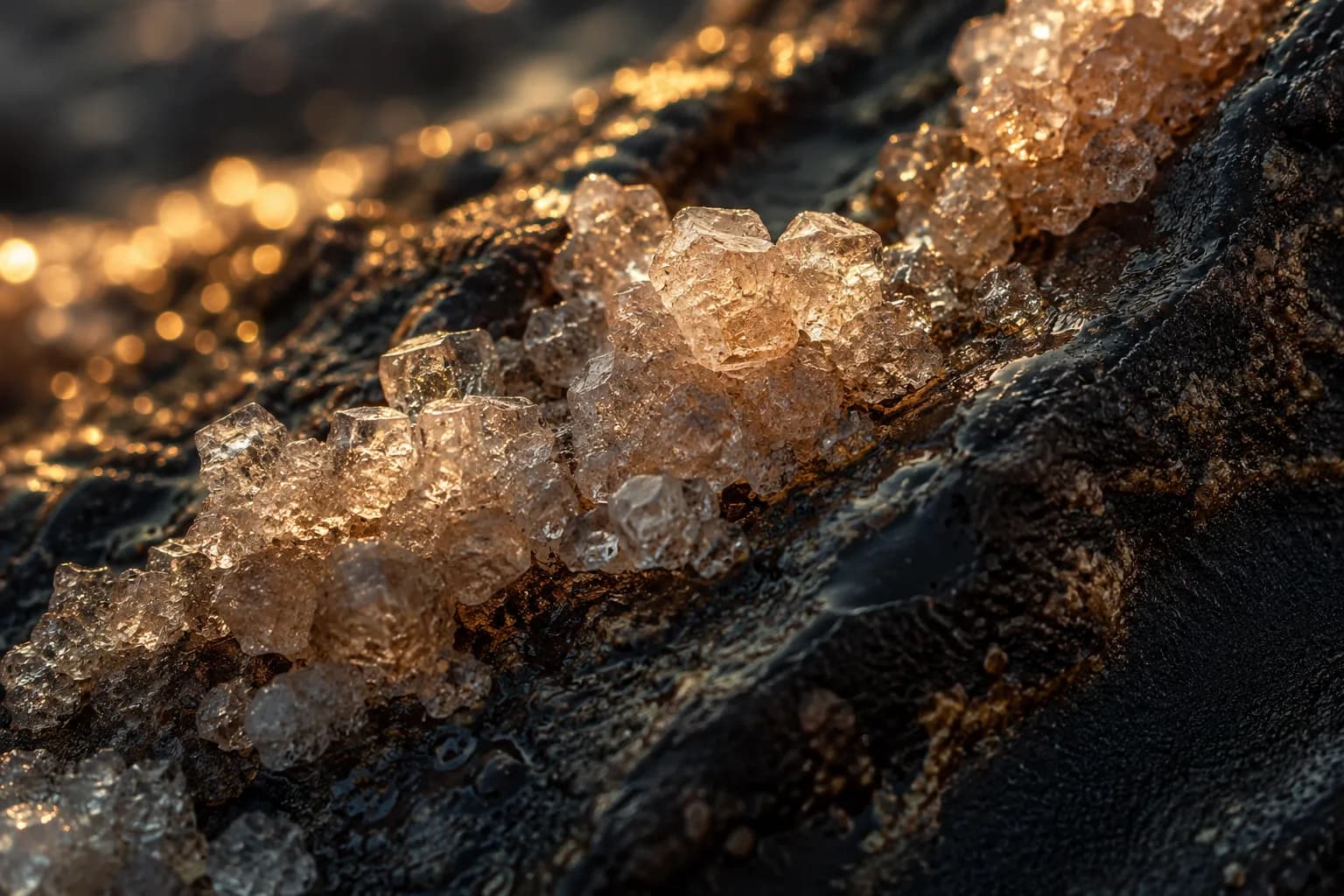
Dead Sea Mud
Sea Silt (Dead Sea Mud)
The world's most mineral-dense earth.
Mineral Complex
Dead Sea mud contains 21 minerals, 12 of which are not found in any other sea or ocean on Earth. Magnesium, calcium, potassium, and bromide form the primary mineral complex, each long associated with skincare and central to the Dead Sea's reputation.
Magnesium
Magnesium is the mineral the Dead Sea is famous for, and one of the most abundant in our mud. It is a skin-conditioning element that helps the mask feel softening rather than stripping. The Dead Sea is one of the richest natural sources of it on Earth.
Calcium
Calcium is part of the Dead Sea's signature mineral complex. In the mask, it contributes to the smooth, firm-feeling finish skin has after rinsing, part of why Dead Sea mud has been valued for the way it leaves skin feeling.
Potassium
Potassium is one of the minerals behind Dead Sea mud's long-standing reputation for leaving skin feeling hydrated and plump rather than tight after a treatment.
Bentonite & Kaolin
The sea silt is blended with bentonite and kaolin, two cosmetic clays that give the mask its absorbency and its smooth, even texture. Bentonite draws excess oil; kaolin polishes gently without stripping.
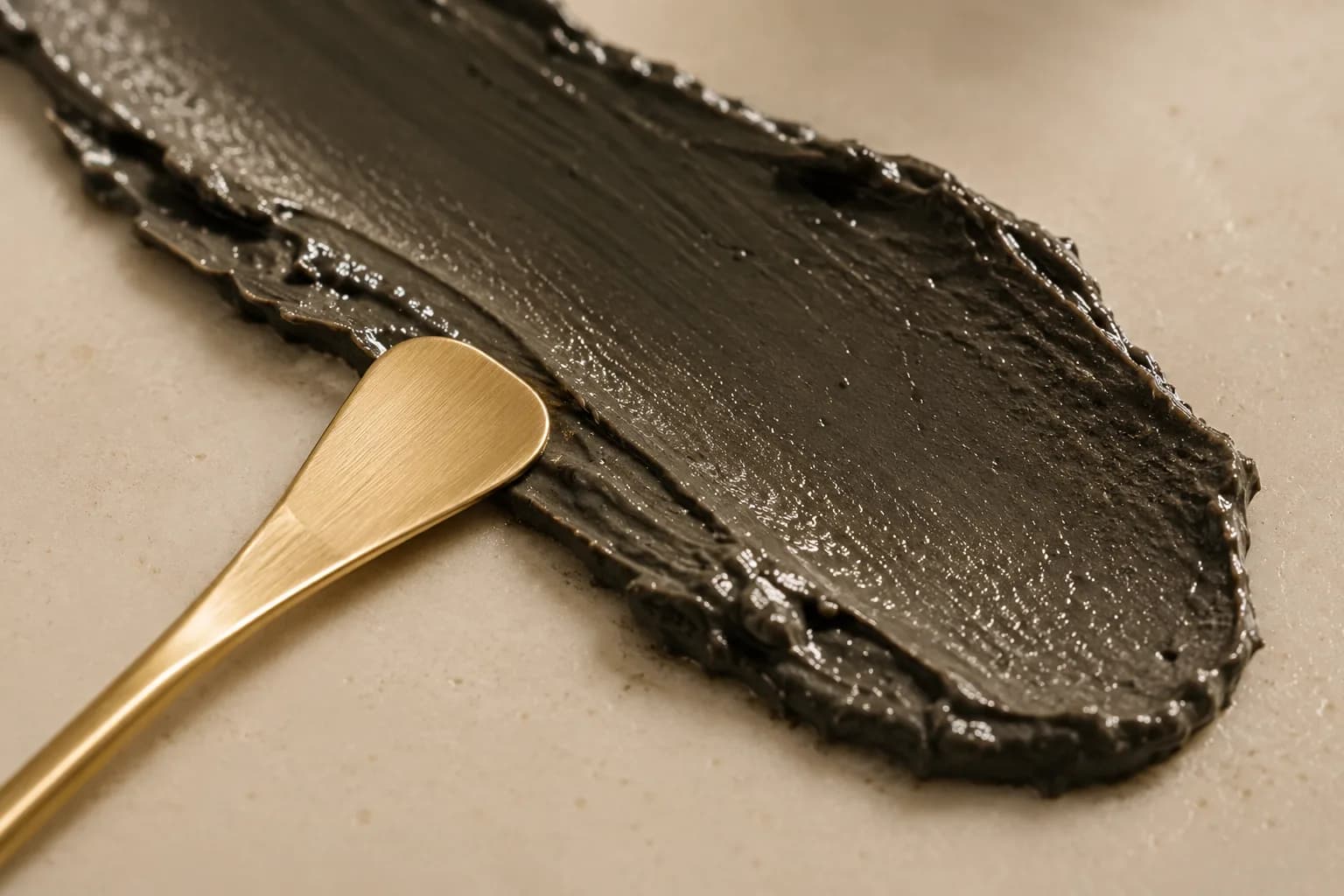
Hyaluronic Acid
Sodium Hyaluronate
The counterweight to the clay.
Why It Is Here
Clay cleans deeply, and deep cleaning can leave skin tight. Sodium hyaluronate, the stable salt form of hyaluronic acid, is the counterweight: a humectant that binds many times its own weight in water, so skin comes out of the rinse balanced rather than stripped.
One Form, Added by Hand
We use a single, well-understood form of sodium hyaluronate, weighed and folded into every batch by hand. No multi-weight systems, no marketing tiers. One humectant, doing one job properly.
Working with Glycerin
Sodium hyaluronate works alongside glycerin in the formula. The two humectants draw and hold water at the skin surface through the mask's ten minutes and the rinse that follows, offsetting the drying pull of the clays.
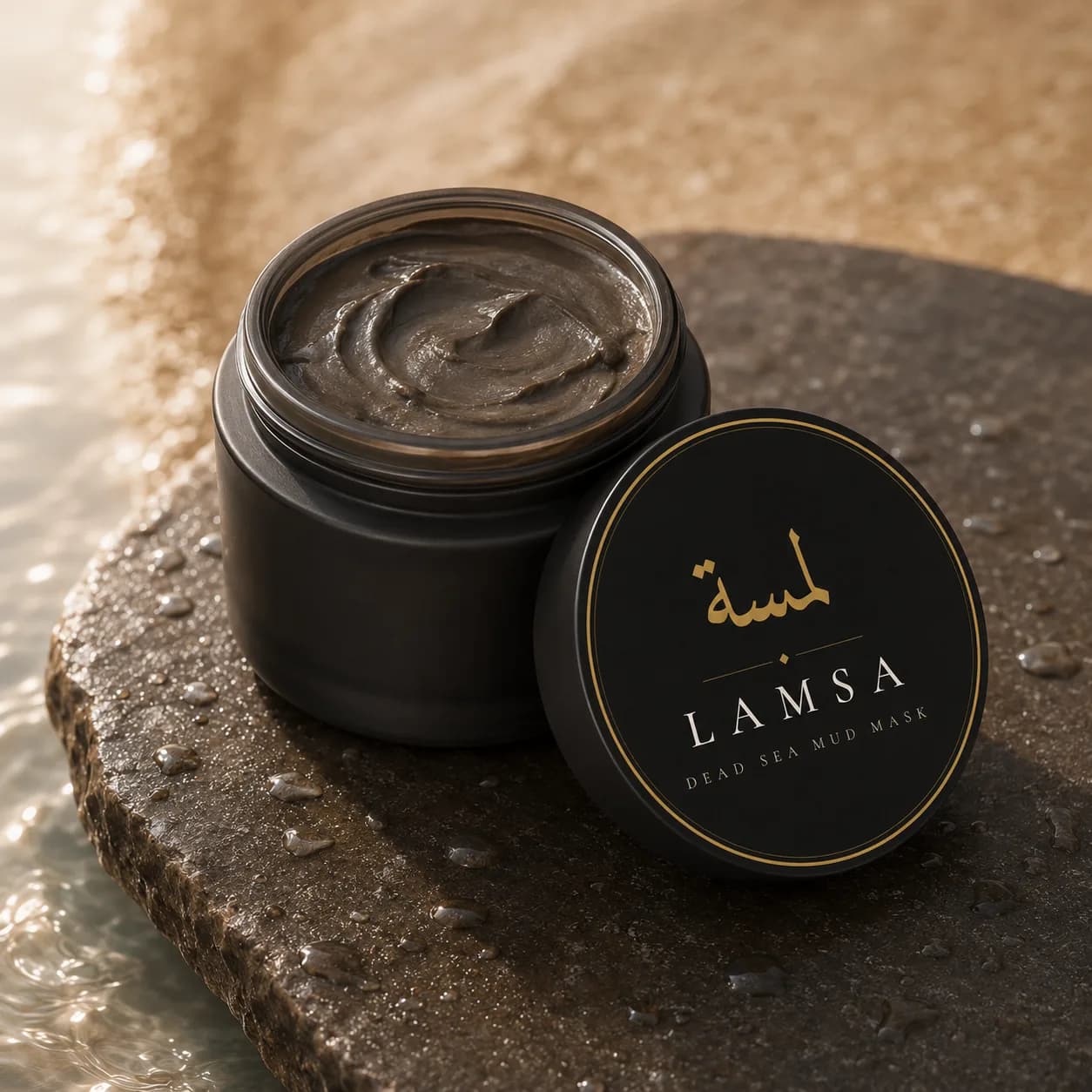
Niacinamide
Niacinamide
Science's most-studied brightener.
The 5% Benchmark
5% is the concentration that appears repeatedly in peer-reviewed literature on niacinamide. Lower concentrations show modest activity; higher concentrations can cause flushing in some skin types. We weigh 5% into every batch by hand, and you can check it against the INCI position below.
How It Works on Tone
Niacinamide inhibits melanosome transfer from melanocytes to keratinocytes, the mechanism behind a more even tone. One honest note: most published studies tested leave-on products worn for weeks, not rinse-off masks. We claim the ingredient, the mechanism, and the concentration, not their study numbers.
Sebum & Pores
In leave-on studies, niacinamide has been shown to reduce sebum production over consistent use, the mechanism behind pore refinement. A ten-minute mask has a shorter contact time, which is exactly why we use the full studied concentration rather than a token sprinkle.
Ceramide Synthesis
Niacinamide is widely studied for supporting the skin's moisture barrier, the layer that helps skin feel comfortable and hydrated rather than tight. As with tone, most of that research used leave-on products, so we claim the ingredient and the concentration, not their numbers.
Full INCI Declaration
Water, Sea Silt (Dead Sea Mud), Bentonite, Kaolin, Niacinamide, Glycerin, Phenoxyethanol, Benzyl Alcohol, Sodium Hyaluronate, Allantoin, Tetrasodium EDTA, Potassium Sorbate, Ethylhexylglycerin.
Exactly as printed on the jar. Ingredients listed in descending order of concentration. No fragrance. No essential oils. No parabens. No sulfates. No silicones.
Shop the Ritual